Para adolescentes y adultos
-
Terapia FaceFormer
Entrenar donde empiezan muchas molestias.
Respiración, deglución y equilibrio de la cabeza: el FaceFormer entrena estas tres funciones básicas para recuperar su interacción natural.
Se usa, entre otros, en TTM Ronquidos Acúfenos Reflujo Malposiciones dentales
Producto sanitario de clase I · app de entrenamiento gratuita · envío gratis desde 15 €
¿Qué FaceFormer me conviene? -
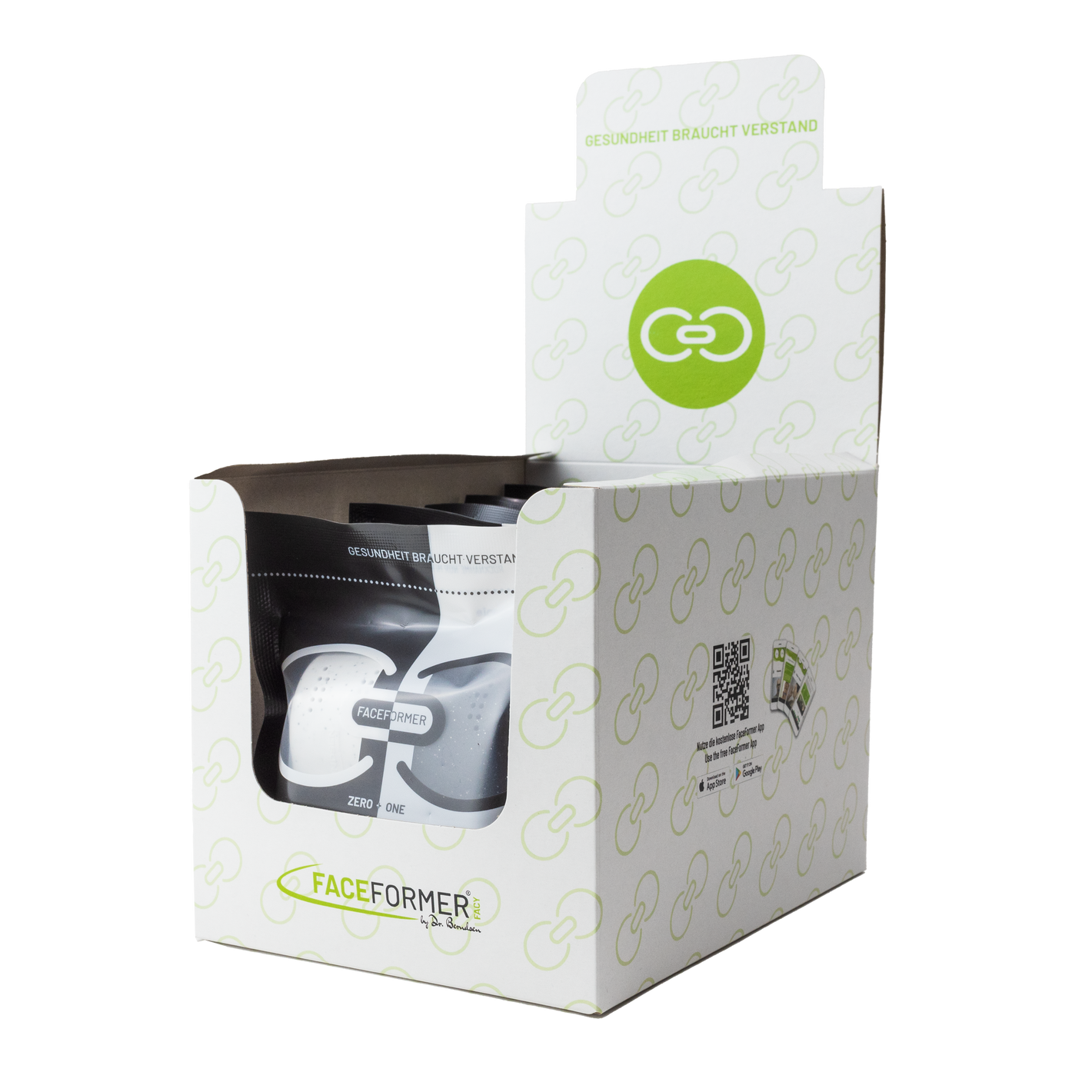
FaceFormer® ZERO + ONE
4,7 (156)
El inicio recomendado para adolescentes y adultos
€64,33IVA incluido, envío gratuito -
FaceFormer® ONE clear
4,6 (115)
Silicona más firme para entrenar de día, transparente
€39,90IVA incluido, envío gratuitoElegir variante -
FaceFormer® Pack de inicio: curso online + set terapéutico ZERO & ONE
ZERO + ONE con curso online para un inicio guiado
€89,80IVA incluido, envío gratuito -
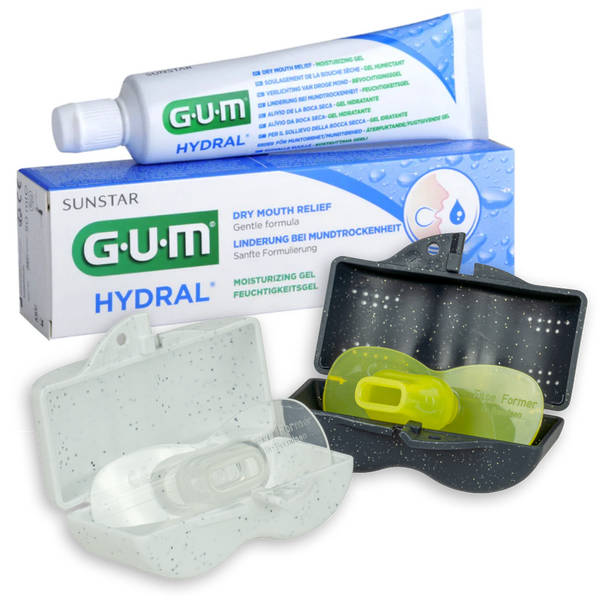
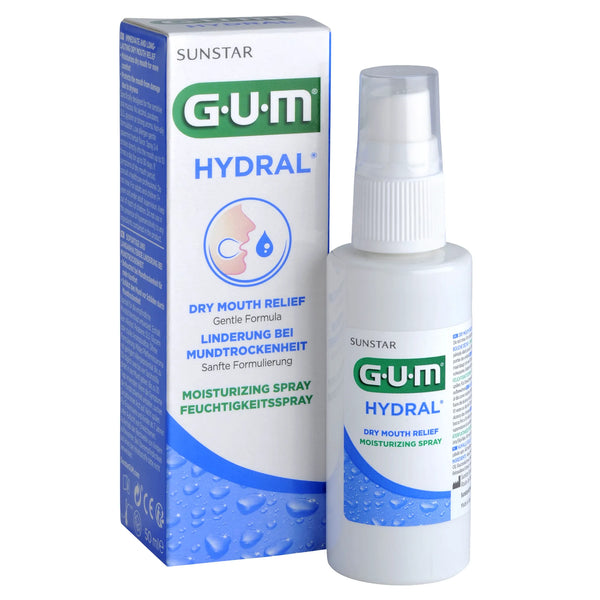
Set FaceFormer ZERO + ONE con Gum Hydral
ZERO + ONE con spray hidratante para la fase de adaptación
€72,68IVA incluido, envío gratuito -
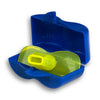
FaceFormer® ONE blue
4,6 (83)
Silicona más firme para entrenar de día, en azul
€39,90IVA incluido, envío gratuitoElegir variante -
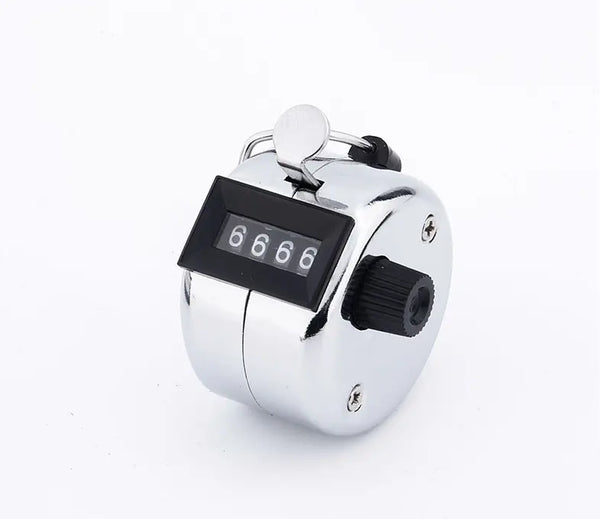
Contador de ejercicios para el entrenamiento con FaceFormer
4,4 (16)
Cuenta las repeticiones durante el entrenamiento
€4,50IVA incluido, más gastos de envío -
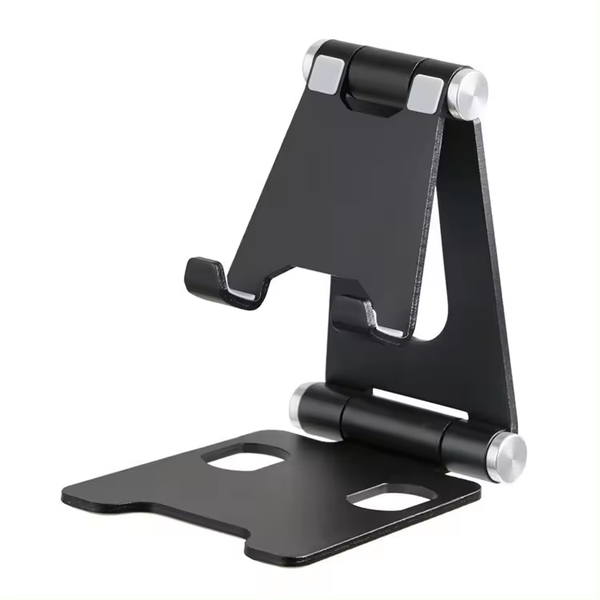
Soporte para móvil para la app de entrenamiento FaceFormer
5,0 (3)
Sujeta el móvil al entrenar con la app
€13,90IVA incluido, más gastos de envíoElegir variante -
ONLINE - Coaching grupal para el entrenamiento FaceFormer: juntos hacia el éxito
4,8 (10)
Grupo online con Lena Koopmann para sus preguntas
€15,00IVA incluido

Información del producto
El dispositivo
¿Qué es el FaceFormer?
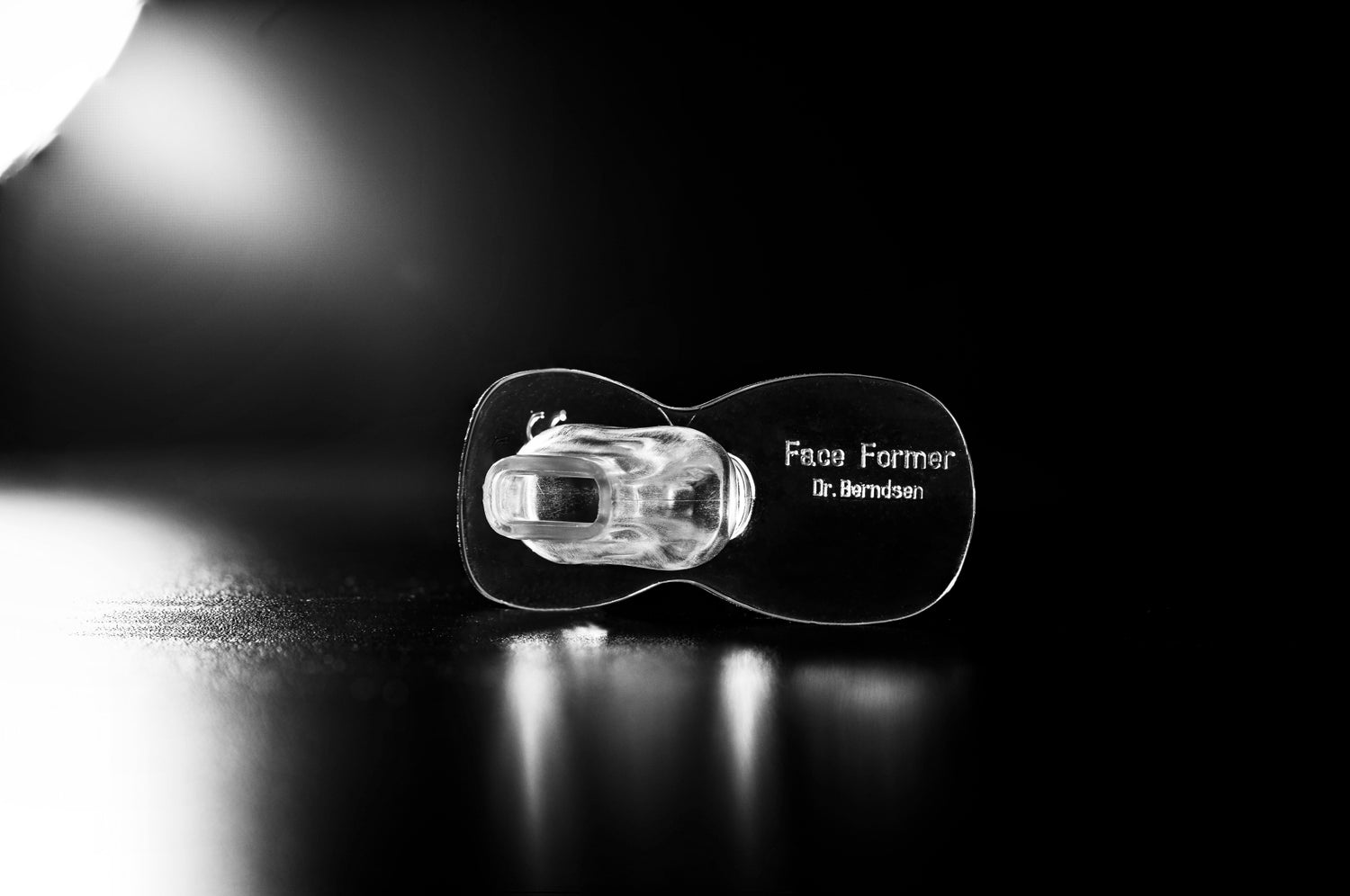
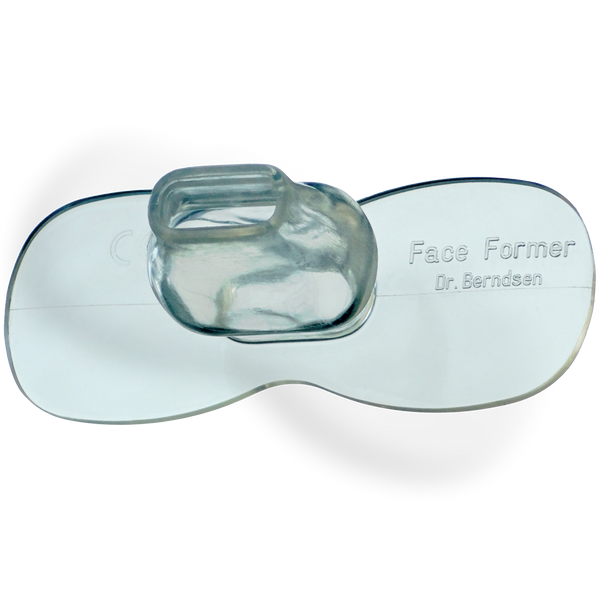
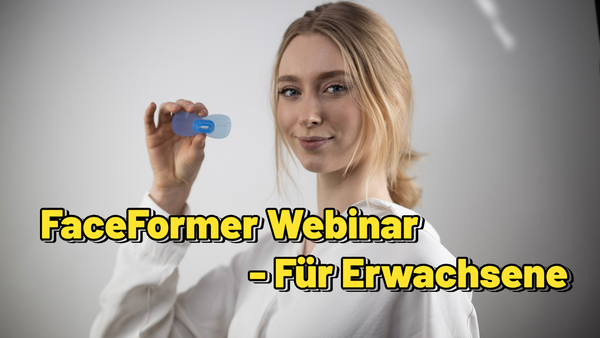
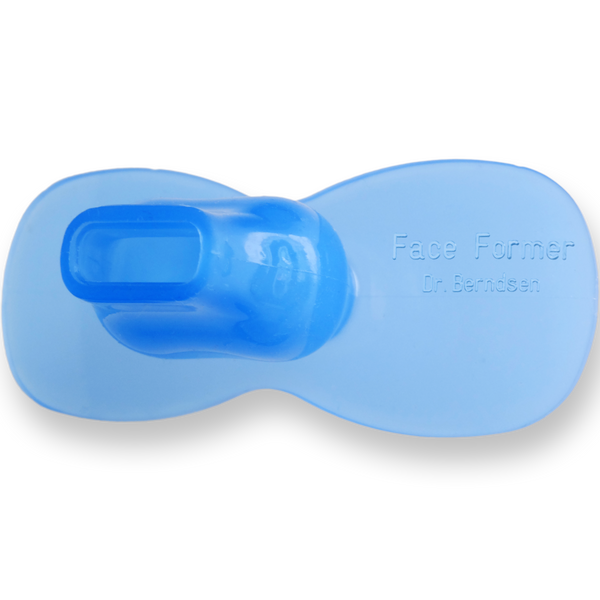
El FaceFormer es un dispositivo de entrenamiento de silicona médica. La membrana se coloca en el vestíbulo bucal, delante de los dientes, y los labios se cierran alrededor de la cuña labial. Al tragar se genera una ligera presión negativa, la lengua se apoya en el paladar y entrenas la interacción entre la respiración, la deglución y el equilibrio de la cabeza.
Más información en faceformer.de →
- Silicona médicasin látex, BPA ni plastificantes
- Talla únicase adapta a la forma de la mandíbula
- ZERO más blando, ONE más firmemisma forma y tamaño
FaceFormer® ZERO Material más blando. Para empezar y para la noche. Detalles
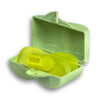
Caja higiénica: Rosa pastel
Incluye: Caja higiénica (Rosa pastel)instrucciones de ejercicios
calendario de entrenamiento
Caja higiénica (Rosa pastel)instrucciones de ejercicios
calendario de entrenamiento
FaceFormer® ONE blue Material más firme, azul. Para el entrenamiento diurno al cabo de unas semanas. Detalles
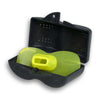
Caja higiénica: Negro
Incluye: Caja higiénica (Negro)instrucciones de ejercicios
calendario de entrenamiento
Caja higiénica (Negro)instrucciones de ejercicios
calendario de entrenamiento
FaceFormer® ONE clear Material más firme, transparente. Para el entrenamiento diurno al cabo de unas semanas. Detalles
Caja higiénica: Negro
Incluye: Caja higiénica (Negro)instrucciones de ejercicios
calendario de entrenamiento
Caja higiénica (Negro)instrucciones de ejercicios
calendario de entrenamiento
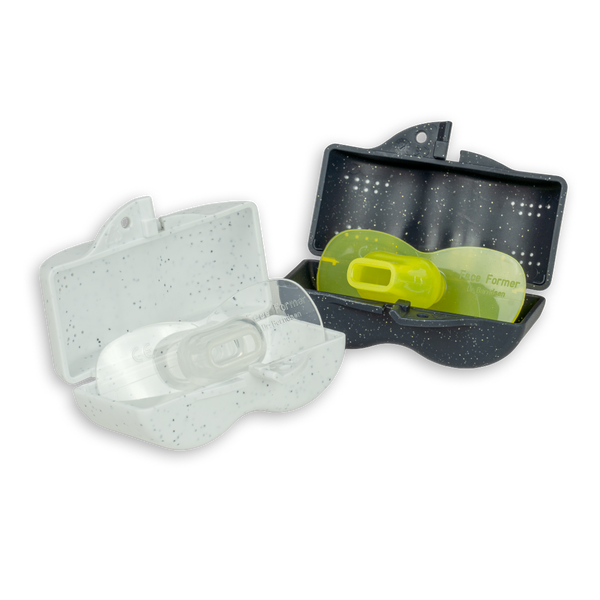
FaceFormer® ZERO + ONE Ambos dispositivos en un set. Detalles
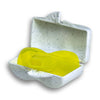
Incluye: 2 cajas higiénicas (negra, blanca)instrucciones de ejercicios
calendario de entrenamiento
2 cajas higiénicas (negra, blanca)instrucciones de ejercicios
calendario de entrenamiento
Niños (2-10 años)
-

 Proveedor:Dr.Berndsen
FaceFormer® ZERO Set infantil
IVA incluido, envío gratuitoPrecio habitual €59,90 EURPrecio habitual -

 Proveedor:Dr.Berndsen
Pack infantil: FaceFormer ZERO + libro "In der Zunge liegt die Kraft"
IVA incluido, envío gratuitoPrecio habitual €69,90 EURPrecio habitual -
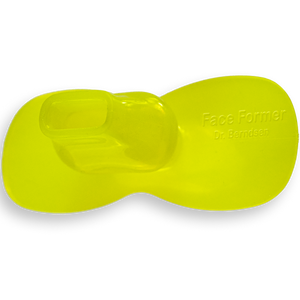
 Proveedor:Dr. Berndsen GmbH
FaceFormer® ZERO
IVA incluido, envío gratuitoPrecio habitual €39,90 EURPrecio habitual€39,90 EURPrecio de oferta €39,90 EUR -

 Proveedor:Dr.Berndsen
Pack Premium para niños: FaceFormer ZERO + libro + grabación del webinar
IVA incluido, envío gratuitoPrecio habitual €99,90 EURPrecio habitual -

 Proveedor:Dr.Berndsen
Set infantil FaceFormer + Entrenamiento Faceformer para niños: grabación del webinar con módulos de ejercicios prácticos
IVA incluido, envío gratuitoPrecio habitual €84,90 EURPrecio habitual -
 Proveedor:Dr.Berndsen
"En la lengua está la fuerza": pack complementario FaceFormer con webinar
IVA incluido, envío gratuitoPrecio habitual €69,90 EURPrecio habitual -
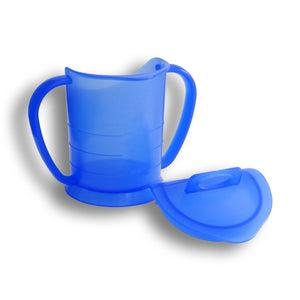
 Proveedor:Dr. Berndsen GmbH
LOOP Cup - El vaso de aprendizaje
IVA incluido, más gastos de envíoPrecio habitual €14,90 EURPrecio habitual -
 Proveedor:Dr.Berndsen
Entrenamiento Faceformer para niños: grabación del webinar con módulos de ejercicios prácticos - Tratamiento de trastornos orofaciales
IVA incluidoPrecio habitual €39,90 EURPrecio habitual -
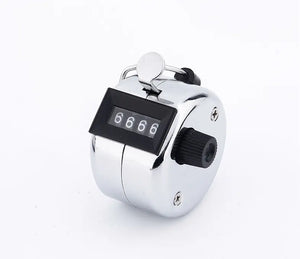 Proveedor:Dr. Berndsen GmbH
Contador de ejercicios para el entrenamiento con FaceFormer
IVA incluido, más gastos de envíoPrecio habitual €4,50 EURPrecio habitual€4,50 EURPrecio de oferta €4,50 EUR -
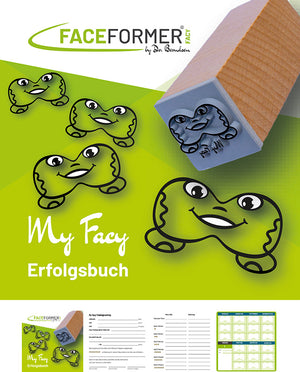
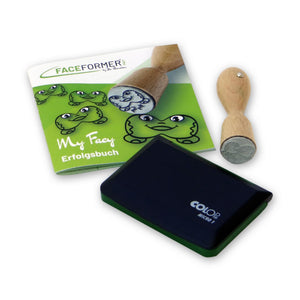 Proveedor:Dr. Berndsen GmbH
Set Libro de éxitos My Facy
IVA incluido, más gastos de envíoPrecio habitual €12,90 EURPrecio habitual€12,90 EURPrecio de oferta €12,90 EUR -
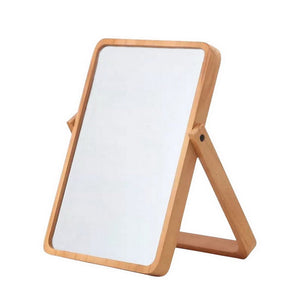 Proveedor:Dr. Berndsen GmbH
Espejo cosmético y terapéutico con pie ajustable libremente
IVA incluido, envío gratuitoPrecio habitual €15,90 EURPrecio habitual -
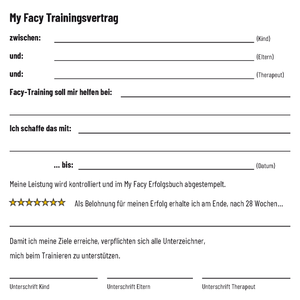 Proveedor:Dr. Berndsen GmbH
Libro de logros My Facy
IVA incluido, más gastos de envíoPrecio habitual €6,90 EURPrecio habitual€6,90 EURPrecio de oferta €6,90 EUR -
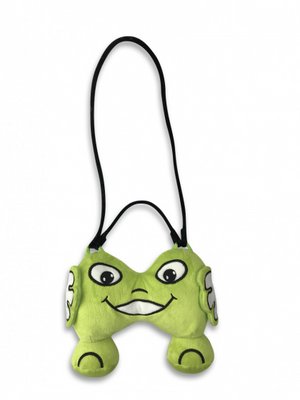 Proveedor:Dr. Berndsen GmbH
Bolsa infantil My Facy
IVA incluido, envío gratuitoPrecio habitual €18,90 EURPrecio habitual€18,90 EURPrecio de oferta €18,90 EUR












ONLINE - Coaching grupal para el entrenamiento FaceFormer: juntos hacia el éxito
No se ha podido cargar la disponibilidad de recogida
¿Tienes preguntas o dudas sobre el entrenamiento con Faceformer? ¡No te preocupes, no estás solo! A partir de ahora tienes la posibilidad de participar en nuestro coaching exclusivo con Lena Koopmann y recibir un asesoramiento completo. Aquí obtendrás respuestas a todas tus preguntas, ya sea sobre posibles empeoramientos iniciales u otros retos durante el entrenamiento. Incluso si no estás seguro de si el Faceformer es lo adecuado para ti, aquí encontrarás un apoyo competente.
En este coaching no solo podrás aclarar tus dudas, sino también obtener información valiosa sobre las múltiples posibilidades de uso del Faceformer. Descubre cómo puede ayudarte con tus molestias y aprovecha la experiencia de Lena y las vivencias de otros participantes. Este encuentro es la oportunidad perfecta para informarte a fondo y decidir si el Faceformer es la herramienta adecuada para tu salud.
No esperes más: ¡inscríbete ahora y comienza junto a Lena un tratamiento con Faceformer exitoso!
-
-

Así funciona la terapia FaceFormer paso a paso
-


Conocimiento
Más sobre la terapia FaceFormer
 Snoring and sleep apnoea: causes, CPAP and trainingSnoring and sleep apnoea: why the throat gives way during sleep, what role mouth breathing plays and what CPAP, snoring splints and training can do.Leer más
 Understanding TMD: treating causes instead of symptomsTMD (craniomandibular dysfunction): symptoms, causes, what the occlusal splint does and how exercises target breathing, swallowing and head balance.Leer más
 Mouth breathing and nasal breathing: why the airway mattersMouth breathing often goes unnoticed. What the nose does, how early the breathing pattern forms, what studies show and how to train nasal breathing.Leer más
 What is the correct tongue resting posture?Tongue resting posture explained: where the tip of the tongue lies, why it is a reference position, how it differs from mewing and how to train it.Leer más
 Neck pain and back pain: what head balance and the tongue have to do with itNeck pain, neck tension, back pain: why the head determines the body’s statics and what the tongue and hyoid bone have to do with text neck.Leer más
 Tinnitus: causes, jaw, neck and what you can do yourselfUnderstanding tinnitus: why ear noises arise in the brain, what the jaw, neck and Eustachian tube have to do with it, and when to see a doctor.Leer más
 Cutting a tongue tie? Frenotomy, function and trainingFrenulum too short? When a frenotomy is an option, who decides and why the tongue then relearns swallowing, nasal breathing and its reference position.Leer más
Cutting a tongue tie? Frenotomy, function and trainingFrenulum too short? When a frenotomy is an option, who decides and why the tongue then relearns swallowing, nasal breathing and its reference position.Leer más
Cutting a tongue tie? Frenotomy, function and trainingFrenulum too short? When a frenotomy is an option, who decides and why the tongue then relearns swallowing, nasal breathing and its reference position.Leer más