Pour adolescents et adultes
-
Thérapie FaceFormer
S’entraîner là où commencent de nombreux troubles.
Respiration, déglutition et équilibre de la tête : le FaceFormer entraîne ces trois fonctions de base à retrouver leur interaction naturelle.
Utilisé notamment pour DTM Ronflement Acouphènes Reflux Malpositions dentaires
Dispositif médical de classe I · appli d’entraînement gratuite · livraison gratuite dès 15 €
Quel FaceFormer me convient ? -
FaceFormer® ZERO + ONE
4,7 (156)
Le point de départ conseillé pour ados et adultes
€64,33TVA incluse, livraison gratuite -
FaceFormer® ONE clear
4,6 (115)
Silicone plus ferme pour l'entraînement de jour, transparent
€39,90TVA incluse, livraison gratuiteChoisir une variante -
FaceFormer® Bundle de démarrage : cours en ligne + kit thérapeutique ZERO & ONE
ZERO + ONE avec cours en ligne pour un départ accompagné
€89,80TVA incluse, livraison gratuite -
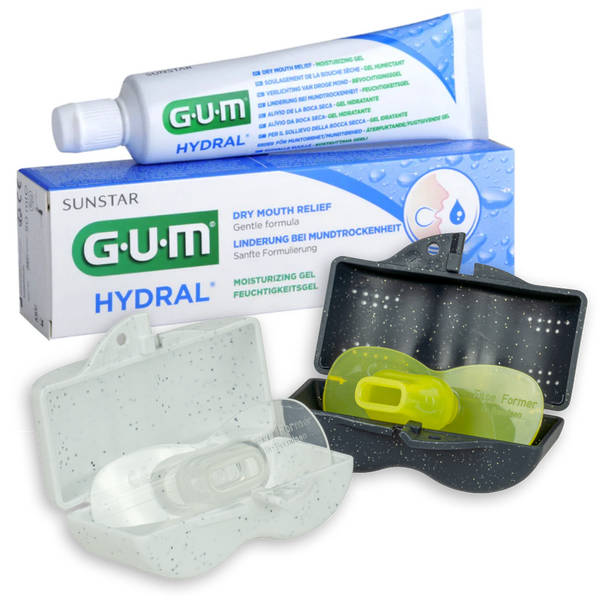
Set FaceFormer ZERO + ONE avec Gum Hydral
ZERO + ONE avec spray hydratant pour la phase d'adaptation
€72,68TVA incluse, livraison gratuite -
FaceFormer® ONE blue
4,6 (83)
Silicone plus ferme pour l'entraînement de jour, en bleu
€39,90TVA incluse, livraison gratuiteChoisir une variante -
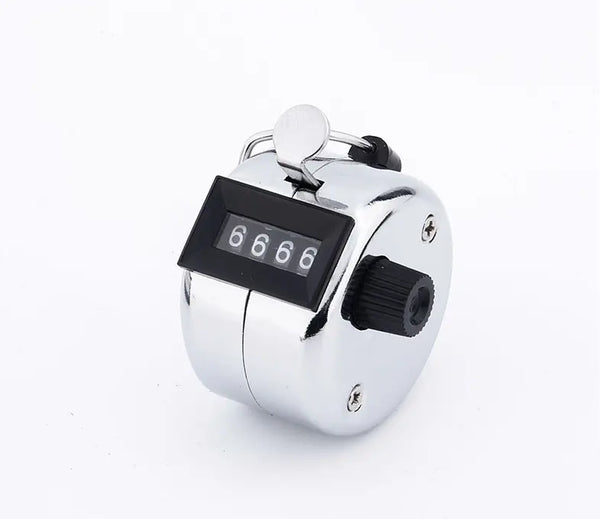
Compteur d'exercices pour l'entraînement FaceFormer
4,4 (16)
Compte les répétitions pendant l'entraînement
€4,50TVA incluse, hors frais de port -
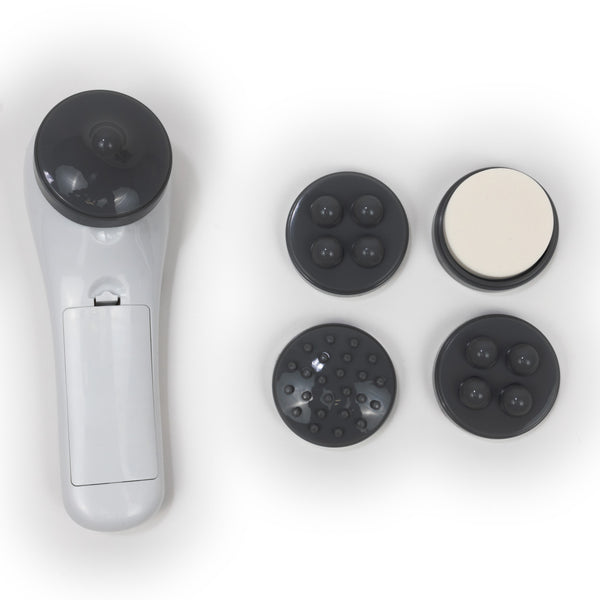
Appareil de massage pour le visage, le cou et la nuque
4,4 (34)
€15,90TVA incluse, livraison gratuite -
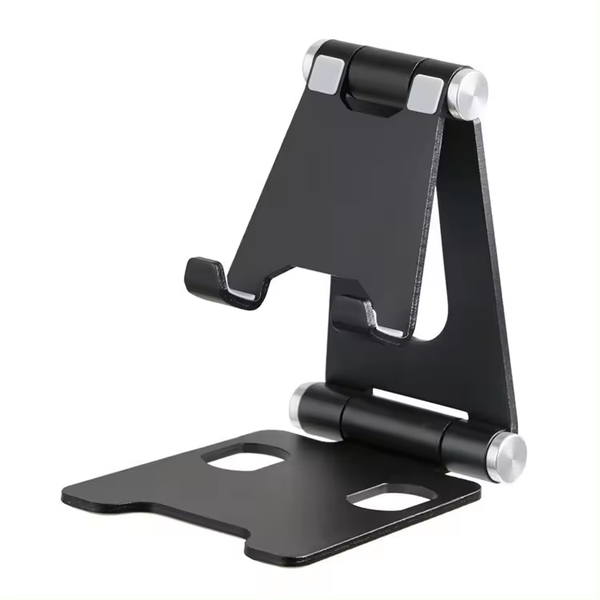
Support de smartphone pour l'application d'entraînement FaceFormer
5,0 (3)
Tient le téléphone pendant l'entraînement avec l'appli
€13,90TVA incluse, hors frais de portChoisir une variante -
EN LIGNE - Coaching de groupe pour l’entraînement FaceFormer : ensemble vers la réussite
4,8 (10)
Groupe en ligne avec Lena Koopmann pour vos questions
€15,00TVA incluse


Informations sur le produit
L'appareil
Qu'est-ce que le FaceFormer ?
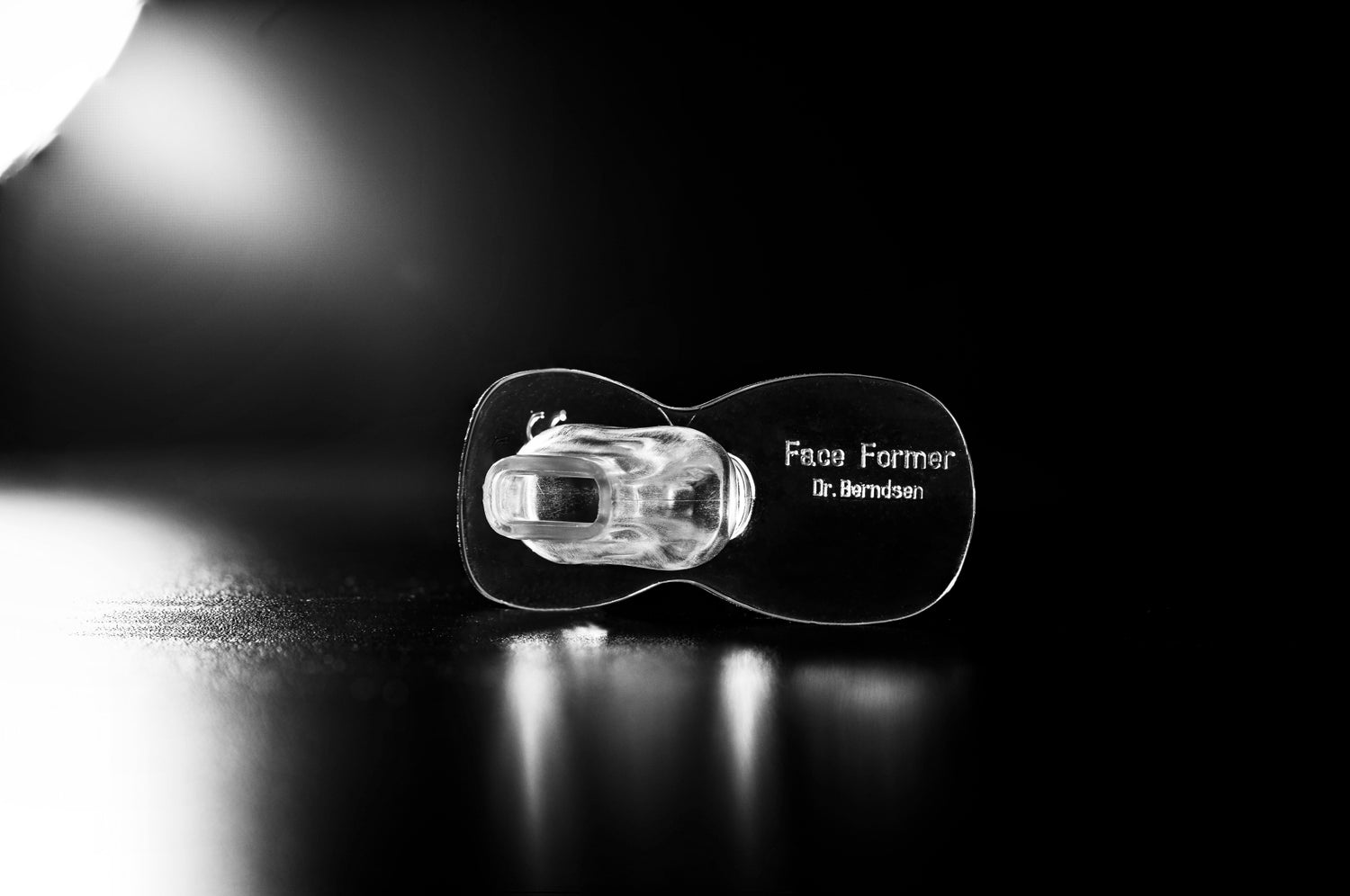
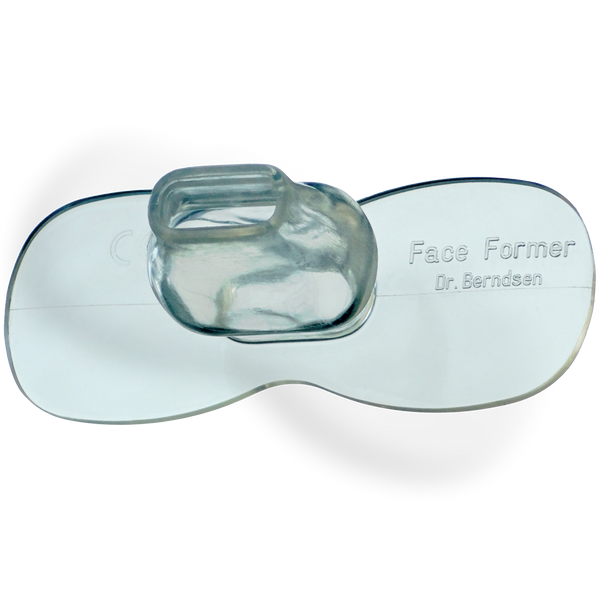
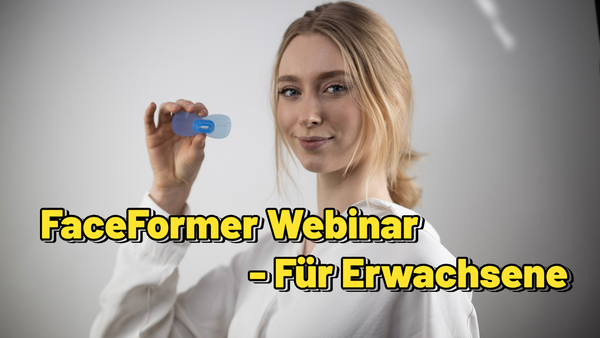
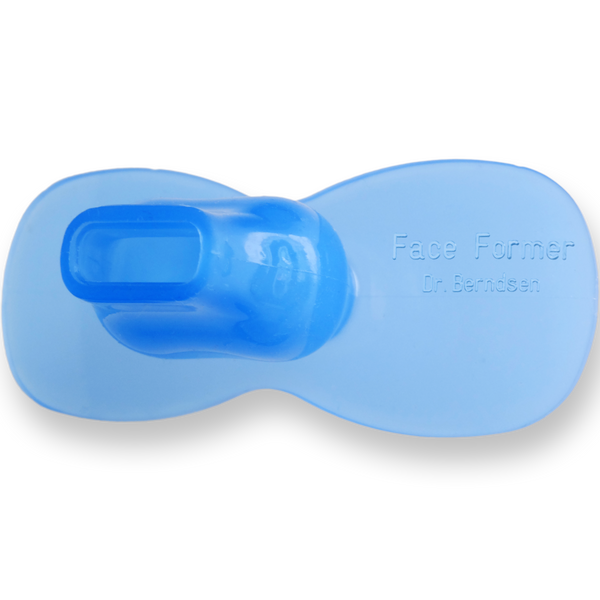
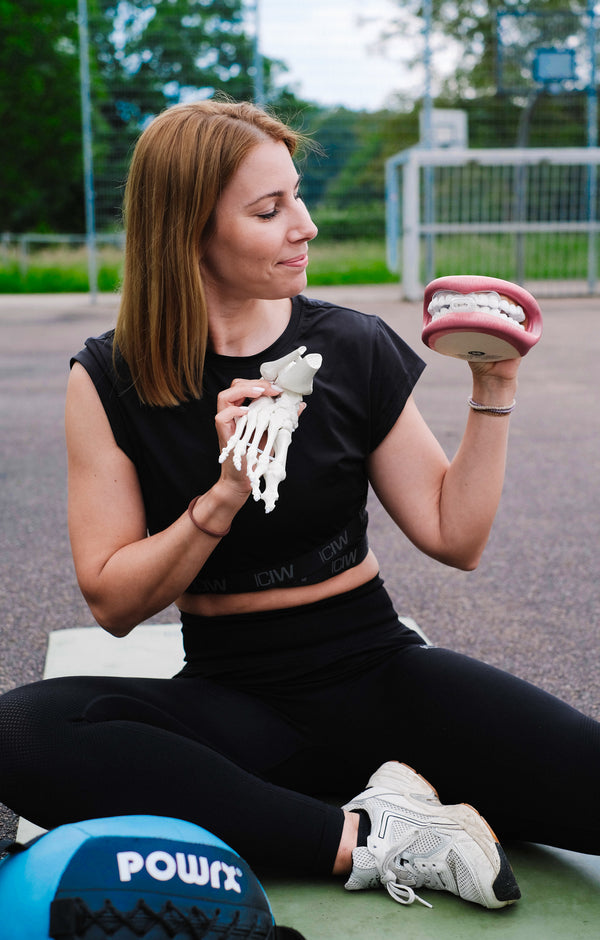
Le FaceFormer est un appareil d'entraînement en silicone médical. La membrane se place dans le vestibule buccal, devant les dents, et les lèvres se referment autour de la cale labiale. Lors de la déglutition, une légère dépression se crée, la langue se place contre le palais, et vous entraînez la coordination entre respiration, déglutition et équilibre de la tête.
En savoir plus sur faceformer.de →
- Silicone médicalsans latex, BPA ni plastifiants
- Taille uniques'adapte à la forme de la mâchoire
- ZERO plus souple, ONE plus fermemême forme et même taille
FaceFormer® ZERO Matériau plus souple. Pour débuter et pour la nuit. Détails
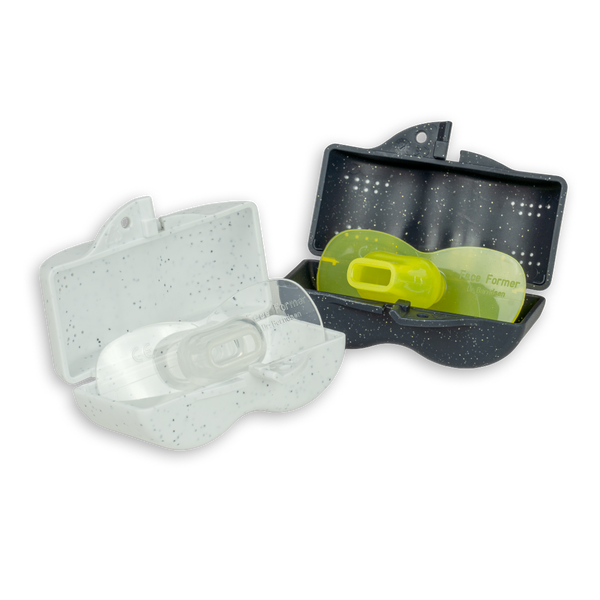
Boîte d'hygiène: Rose pastel
Contenu de la livraison : Boîte d'hygiène (Rose pastel)guide d'exercices
calendrier d'entraînement
Boîte d'hygiène (Rose pastel)guide d'exercices
calendrier d'entraînement
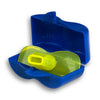
FaceFormer® ONE blue Matériau plus ferme, bleu. Pour l'entraînement en journée, après quelques semaines. Détails
Boîte d'hygiène: Noir
Contenu de la livraison : Boîte d'hygiène (Noir)guide d'exercices
calendrier d'entraînement
Boîte d'hygiène (Noir)guide d'exercices
calendrier d'entraînement
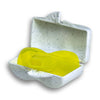
FaceFormer® ONE clear Matériau plus ferme, transparent. Pour l'entraînement en journée, après quelques semaines. Détails
Boîte d'hygiène: Noir
Contenu de la livraison : Boîte d'hygiène (Noir)guide d'exercices
calendrier d'entraînement
Boîte d'hygiène (Noir)guide d'exercices
calendrier d'entraînement
FaceFormer® ZERO + ONE Les deux appareils en set. Détails
Contenu de la livraison : 2 boîtes d'hygiène (noire, blanche)guide d'exercices
calendrier d'entraînement
2 boîtes d'hygiène (noire, blanche)guide d'exercices
calendrier d'entraînement
Enfants (2-10 ans)
-

 Fournisseur :Dr.Berndsen
Set enfant FaceFormer® ZERO
TVA incluse, livraison gratuitePrix habituel €59,90 EURPrix habituel -

 Fournisseur :Dr.Berndsen
Pack enfants : FaceFormer ZERO + livre « In der Zunge liegt die Kraft »
TVA incluse, livraison gratuitePrix habituel €69,90 EURPrix habituel -
 Fournisseur :Dr. Berndsen GmbH
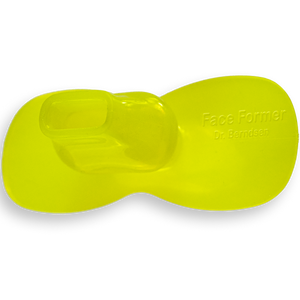
FaceFormer® ZERO
TVA incluse, livraison gratuitePrix habituel €39,90 EURPrix habituel€39,90 EURPrix soldé €39,90 EUR -

 Fournisseur :Dr.Berndsen
Pack Premium Enfants : FaceFormer ZERO + livre + enregistrement du webinaire
TVA incluse, livraison gratuitePrix habituel €99,90 EURPrix habituel -

 Fournisseur :Dr.Berndsen
Set enfants FaceFormer + Entraînement Faceformer pour enfants : enregistrement de webinaire avec modules d'exercices pratiques
TVA incluse, livraison gratuitePrix habituel €84,90 EURPrix habituel -
 Fournisseur :Dr.Berndsen
« La force réside dans la langue » – Pack d'accompagnement FaceFormer avec webinaire
TVA incluse, livraison gratuitePrix habituel €69,90 EURPrix habituel -
 Fournisseur :Dr. Berndsen GmbH
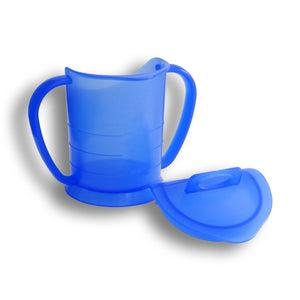
LOOP Cup - Le gobelet d'apprentissage
TVA incluse, hors frais de portPrix habituel €14,90 EURPrix habituel -
 Fournisseur :Dr.Berndsen
Entraînement Faceformer pour enfants : enregistrement du webinaire avec modules d'exercices pratiques – Traitement des troubles oro-faciaux
TVA inclusePrix habituel €39,90 EURPrix habituel -
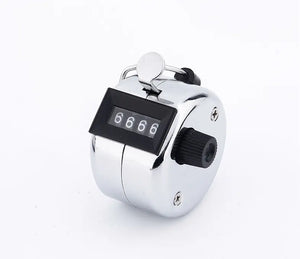 Fournisseur :Dr. Berndsen GmbH
Compteur d'exercices pour l'entraînement FaceFormer
TVA incluse, hors frais de portPrix habituel €4,50 EURPrix habituel€4,50 EURPrix soldé €4,50 EUR -

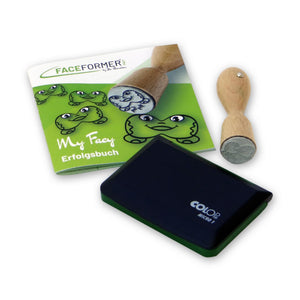 Fournisseur :Dr. Berndsen GmbH
Set Livre de réussite My Facy
TVA incluse, hors frais de portPrix habituel €12,90 EURPrix habituel€12,90 EURPrix soldé €12,90 EUR -
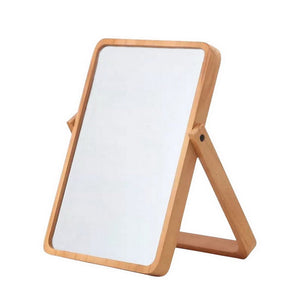 Fournisseur :Dr. Berndsen GmbH
Miroir cosmétique et thérapeutique, pied réglable librement
TVA incluse, livraison gratuitePrix habituel €15,90 EURPrix habituel -
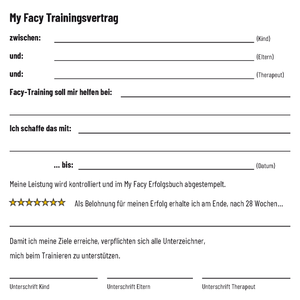 Fournisseur :Dr. Berndsen GmbH
Carnet de réussite My Facy
TVA incluse, hors frais de portPrix habituel €6,90 EURPrix habituel€6,90 EURPrix soldé €6,90 EUR -
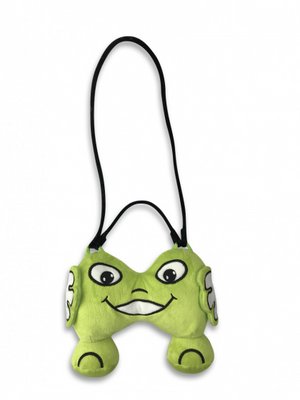 Fournisseur :Dr. Berndsen GmbH
Sac pour enfants My Facy
TVA incluse, livraison gratuitePrix habituel €18,90 EURPrix habituel€18,90 EURPrix soldé €18,90 EUR





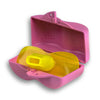
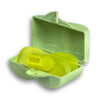
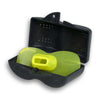





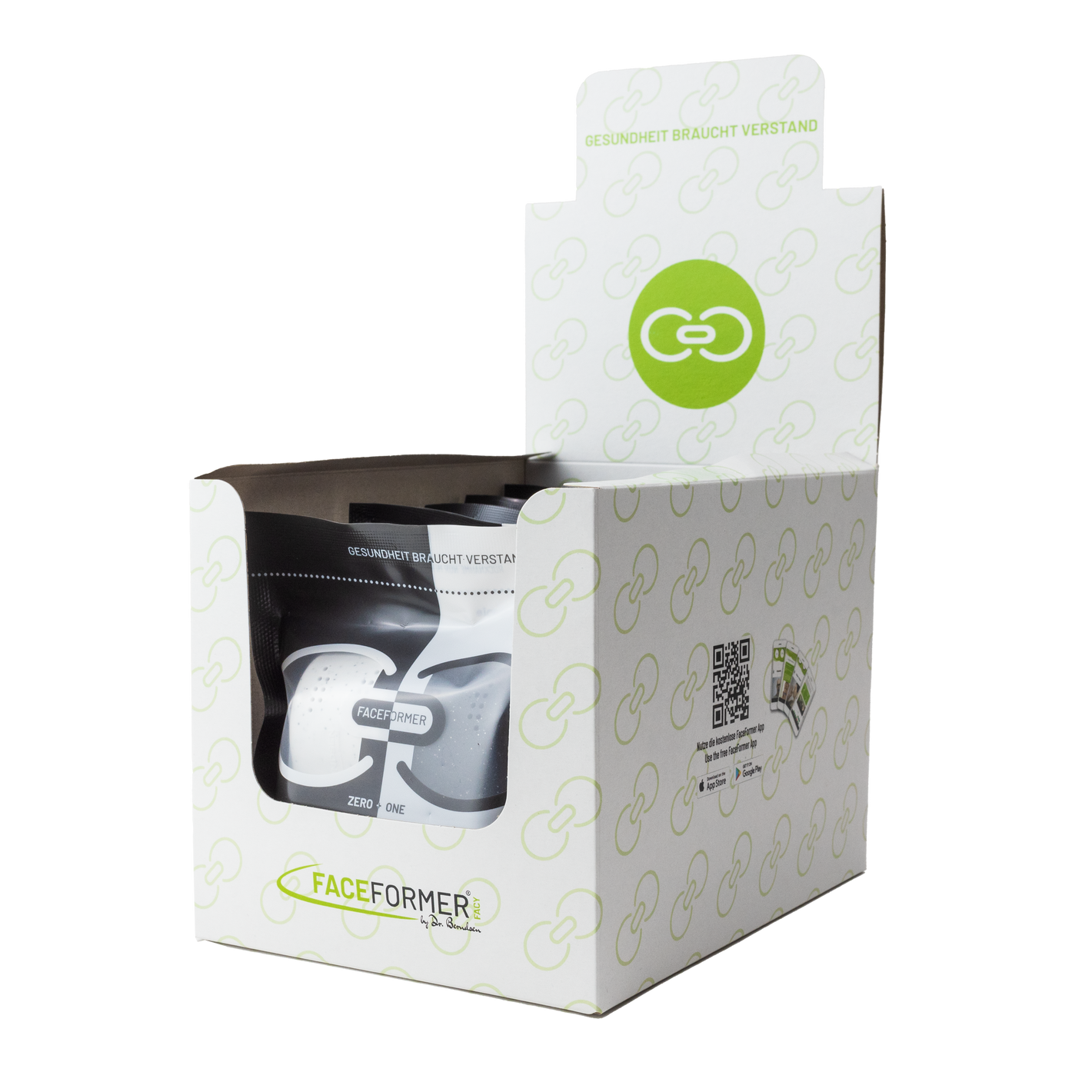


EN LIGNE - Coaching de groupe pour l’entraînement FaceFormer : ensemble vers la réussite
Impossible de charger la disponibilité du retrait
Vous avez des questions ou des incertitudes concernant l’entraînement Faceformer ? Pas d’inquiétude, vous n’êtes pas seul ! Vous avez désormais la possibilité de participer à notre coaching exclusif avec Lena Koopmann et de bénéficier de conseils complets. Vous y obtiendrez des réponses à toutes vos questions, qu’il s’agisse d’éventuelles aggravations initiales ou d’autres difficultés rencontrées pendant l’entraînement. Même si vous n’êtes pas sûr que le Faceformer soit vraiment adapté à vos besoins, vous trouverez ici un accompagnement compétent.
Dans ce coaching, vous pourrez non seulement lever vos incertitudes, mais aussi obtenir de précieuses informations sur les nombreuses possibilités d’utilisation du Faceformer. Découvrez comment il peut vous aider face à vos troubles et profitez de l’expertise de Lena ainsi que de l’expérience des autres participants. Cette rencontre est l’occasion idéale de vous informer en détail et de décider si le Faceformer est l’outil adapté à votre santé.
N’attendez plus : inscrivez-vous dès maintenant et commencez avec Lena un traitement Faceformer réussi !
-
-

La thérapie FaceFormer pas à pas
-


Savoir
En savoir plus sur la thérapie FaceFormer
 Snoring and sleep apnoea: causes, CPAP and trainingSnoring and sleep apnoea: why the throat gives way during sleep, what role mouth breathing plays and what CPAP, snoring splints and training can do.Lire la suite
 Understanding TMD: treating causes instead of symptomsTMD (craniomandibular dysfunction): symptoms, causes, what the occlusal splint does and how exercises target breathing, swallowing and head balance.Lire la suite
 Mouth breathing and nasal breathing: why the airway mattersMouth breathing often goes unnoticed. What the nose does, how early the breathing pattern forms, what studies show and how to train nasal breathing.Lire la suite
 What is the correct tongue resting posture?Tongue resting posture explained: where the tip of the tongue lies, why it is a reference position, how it differs from mewing and how to train it.Lire la suite
 Neck pain and back pain: what head balance and the tongue have to do with itNeck pain, neck tension, back pain: why the head determines the body’s statics and what the tongue and hyoid bone have to do with text neck.Lire la suite
 Tinnitus: causes, jaw, neck and what you can do yourselfUnderstanding tinnitus: why ear noises arise in the brain, what the jaw, neck and Eustachian tube have to do with it, and when to see a doctor.Lire la suite
 Cutting a tongue tie? Frenotomy, function and trainingFrenulum too short? When a frenotomy is an option, who decides and why the tongue then relearns swallowing, nasal breathing and its reference position.Lire la suite
Cutting a tongue tie? Frenotomy, function and trainingFrenulum too short? When a frenotomy is an option, who decides and why the tongue then relearns swallowing, nasal breathing and its reference position.Lire la suite
Cutting a tongue tie? Frenotomy, function and trainingFrenulum too short? When a frenotomy is an option, who decides and why the tongue then relearns swallowing, nasal breathing and its reference position.Lire la suite