Para jovens e adultos
-
Terapia FaceFormer
Treinar onde começam muitas queixas.
Respiração, deglutição e equilíbrio da cabeça: o FaceFormer treina estas três funções básicas de volta à sua interação natural.
Utilizado, entre outros, em DTM Ressonar Acufenos Refluxo Dentes desalinhados
Dispositivo médico de classe I · app de treino gratuita · envio gratuito a partir de 15 €
Que FaceFormer é o certo para mim? -
FaceFormer® ZERO + ONE
4,7 (156)
O início recomendado para adolescentes e adultos
€64,33IVA incluído, envio gratuito -
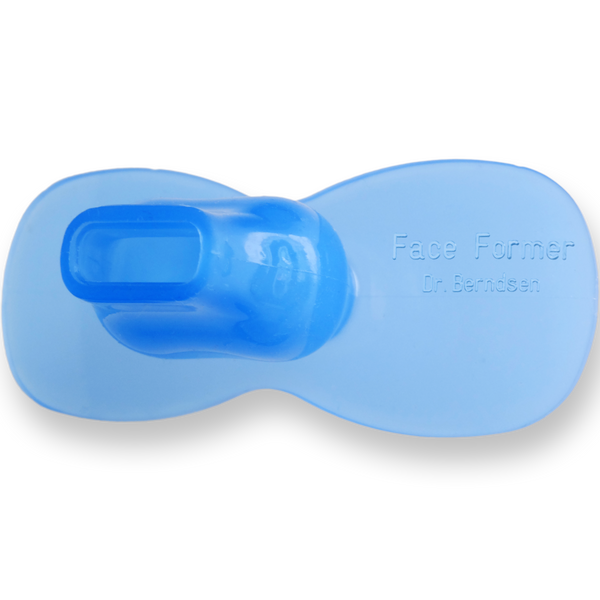
FaceFormer® ONE transparente
4,6 (115)
Silicone mais firme para o treino diurno, transparente
€39,90IVA incluído, envio gratuitoEscolher variante -
FaceFormer® Pack Inicial: Curso Online + Conjunto de Terapia ZERO & ONE
ZERO + ONE com curso online para um início orientado
€89,80IVA incluído, envio gratuito -
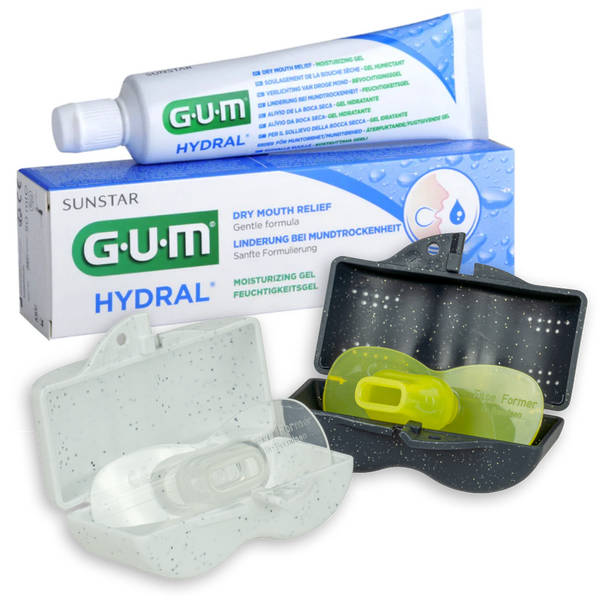
Conjunto FaceFormer ZERO + ONE com Gum Hydral
ZERO + ONE com spray hidratante para a fase de adaptação
€72,68IVA incluído, envio gratuito -
FaceFormer® ONE blue
4,6 (83)
Silicone mais firme para o treino diurno, em azul
€39,90IVA incluído, envio gratuitoEscolher variante -
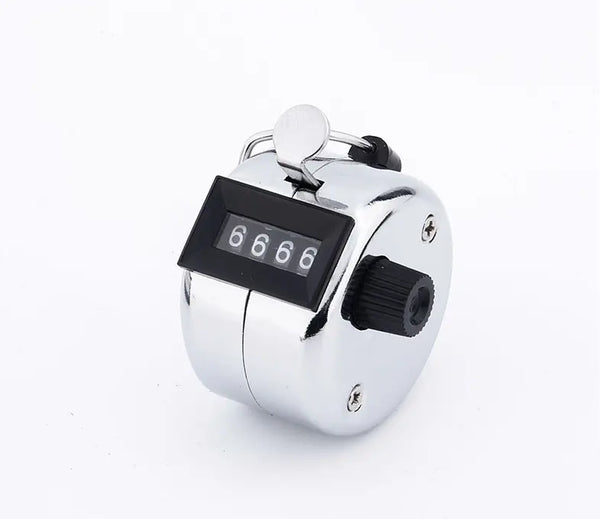
Contador de exercícios para o treino FaceFormer
4,4 (16)
Conta as repetições durante o treino
€4,50IVA incluído, mais portes de envio -
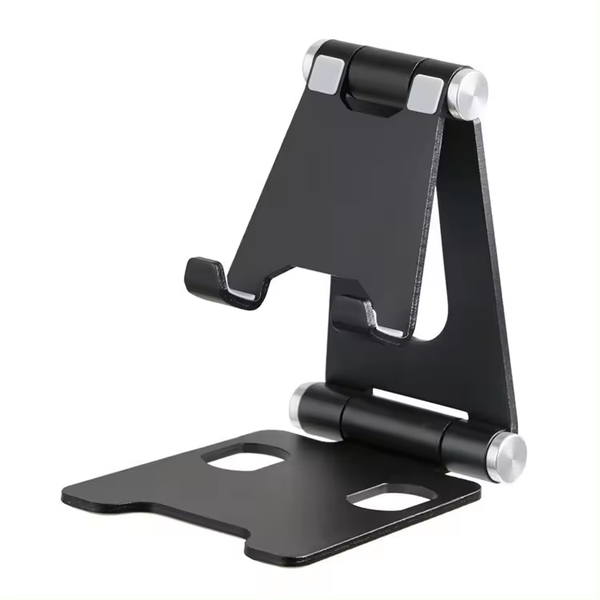
Suporte de telemóvel para a aplicação de treino FaceFormer
5,0 (3)
Segura o telemóvel durante o treino com a app
€13,90IVA incluído, mais portes de envioEscolher variante -
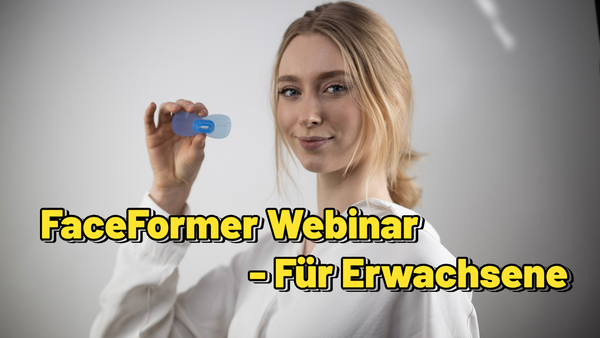
ONLINE - Coaching em grupo para o treino FaceFormer: juntos rumo ao sucesso
4,8 (10)
Grupo online com Lena Koopmann para as suas dúvidas
€15,00IVA incluído


Informações do produto
O dispositivo
O que é o FaceFormer?
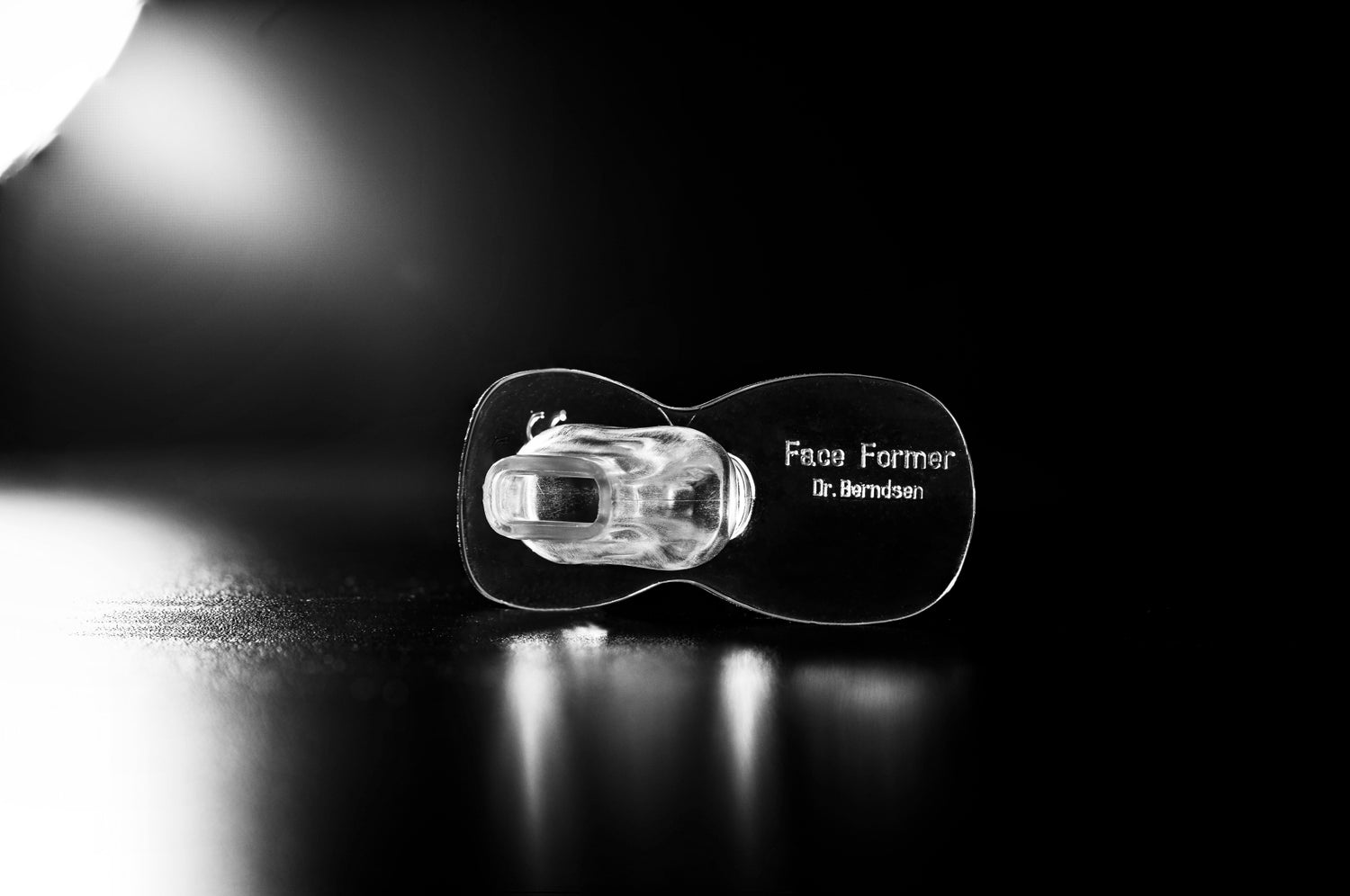
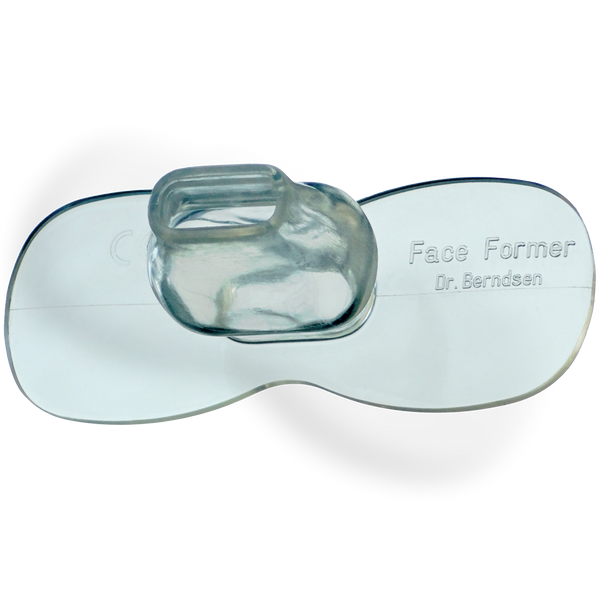
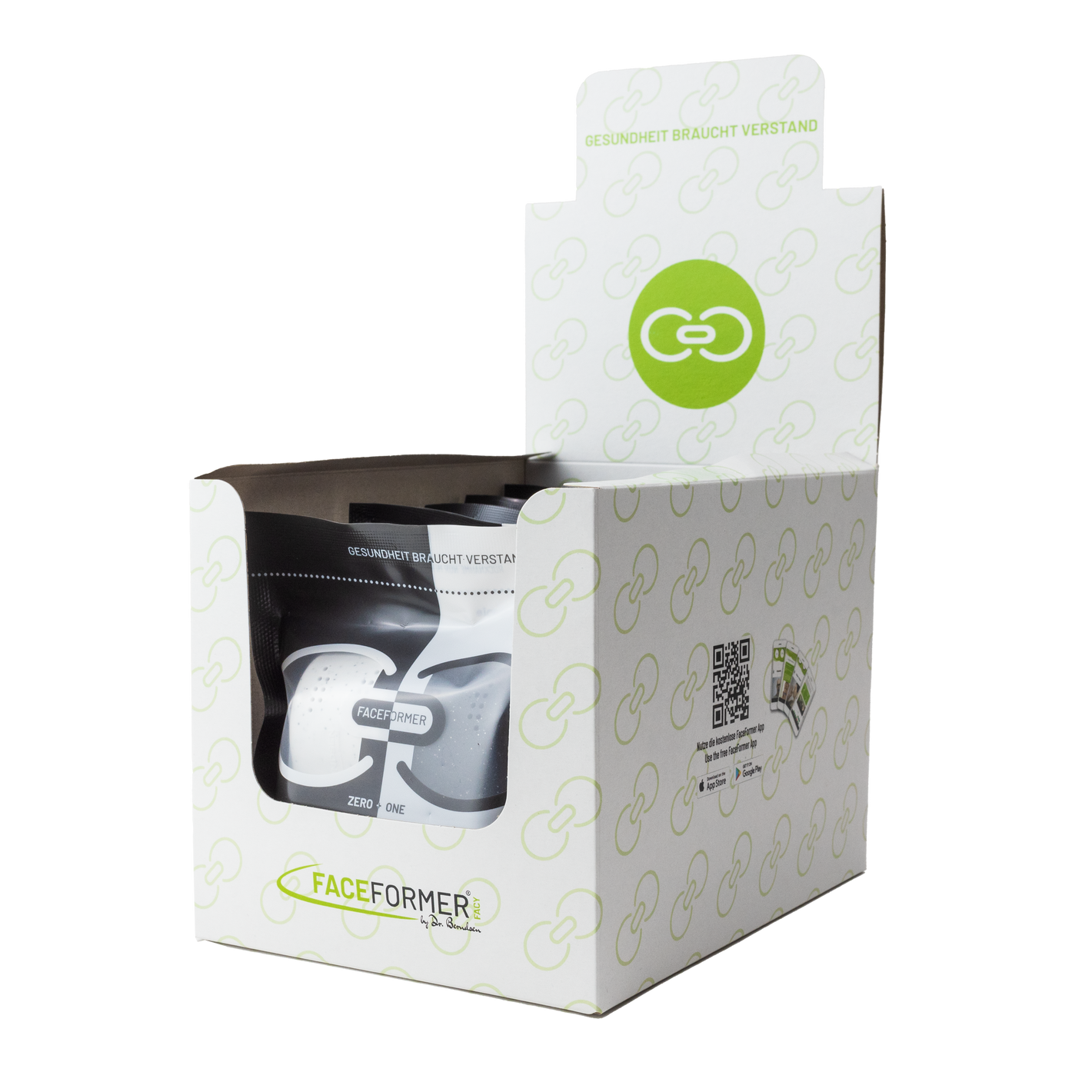
O FaceFormer é um dispositivo de treino em silicone médico. A membrana fica no vestíbulo oral, à frente dos dentes, e os lábios fecham-se em torno da cunha labial. Ao engolir, cria-se uma ligeira pressão negativa e a língua encosta-se ao palato. Assim, treina a interação entre respiração, deglutição e equilíbrio da cabeça.
Saiba mais em faceformer.de →
- Silicone médicosem látex, BPA nem plastificantes
- Tamanho únicoadapta-se à forma do maxilar
- ZERO mais macio, ONE mais firmemesma forma e tamanho
FaceFormer® ZERO Material mais macio. Para começar e para a noite. Detalhes
Caixa de higiene: Rosa pastel
Conteúdo da embalagem: Caixa de higiene (Rosa pastel)Instruções de exercícios
Calendário de treino
Caixa de higiene (Rosa pastel)Instruções de exercícios
Calendário de treino
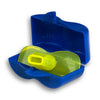
FaceFormer® ONE blue Material mais firme, azul. Para o treino diurno após algumas semanas. Detalhes
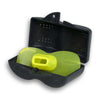
Caixa de higiene: Preto
Conteúdo da embalagem: Caixa de higiene (Preto)Instruções de exercícios
Calendário de treino
Caixa de higiene (Preto)Instruções de exercícios
Calendário de treino
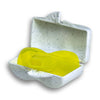
FaceFormer® ONE transparente Material mais firme, transparente. Para o treino diurno após algumas semanas. Detalhes
Caixa de higiene: Preto
Conteúdo da embalagem: Caixa de higiene (Preto)Instruções de exercícios
Calendário de treino
Caixa de higiene (Preto)Instruções de exercícios
Calendário de treino
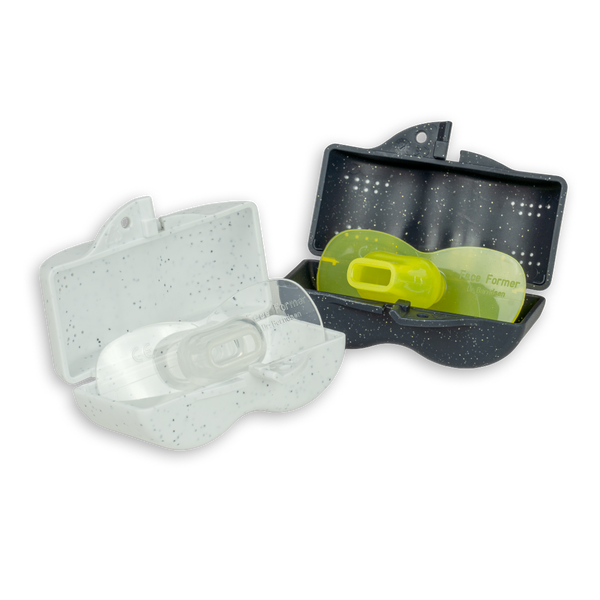
FaceFormer® ZERO + ONE Ambos os dispositivos no conjunto. Detalhes
Conteúdo da embalagem: 2 caixas de higiene (preta, branca)Instruções de exercícios
Calendário de treino
2 caixas de higiene (preta, branca)Instruções de exercícios
Calendário de treino
Crianças (2-10 anos)
-

 Fornecedor:Dr.Berndsen
Conjunto FaceFormer® ZERO para crianças
IVA incluído, envio gratuitoPreço normal €59,90 EURPreço normal -

 Fornecedor:Dr.Berndsen
Pack infantil: FaceFormer ZERO + livro "In der Zunge liegt die Kraft"
IVA incluído, envio gratuitoPreço normal €69,90 EURPreço normal -
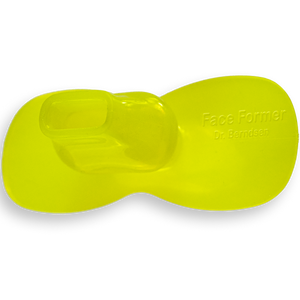
 Fornecedor:Dr. Berndsen GmbH
FaceFormer® ZERO
IVA incluído, envio gratuitoPreço normal €39,90 EURPreço normal€39,90 EURPreço promocional €39,90 EUR -

 Fornecedor:Dr.Berndsen
Pack Premium para Crianças: FaceFormer ZERO + Livro + Gravação do Webinar
IVA incluído, envio gratuitoPreço normal €99,90 EURPreço normal -

 Fornecedor:Dr.Berndsen
Conjunto FaceFormer para crianças + Treino Faceformer para crianças: gravação de webinar com módulos de exercícios práticos
IVA incluído, envio gratuitoPreço normal €84,90 EURPreço normal -
 Fornecedor:Dr.Berndsen
"In der Zunge liegt die Kraft" – Pacote complementar FaceFormer com webinar
IVA incluído, envio gratuitoPreço normal €69,90 EURPreço normal -
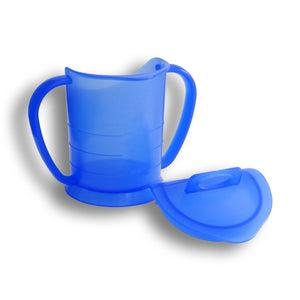
 Fornecedor:Dr. Berndsen GmbH
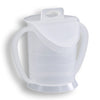
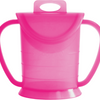
LOOP Cup - O copo de aprendizagem
IVA incluído, mais portes de envioPreço normal €14,90 EURPreço normal -
 Fornecedor:Dr.Berndsen
Treino Faceformer para crianças: gravação de webinar com módulos práticos de exercícios - Tratamento de perturbações orofaciais
IVA incluídoPreço normal €39,90 EURPreço normal -
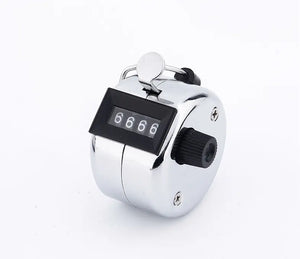 Fornecedor:Dr. Berndsen GmbH
Contador de exercícios para o treino FaceFormer
IVA incluído, mais portes de envioPreço normal €4,50 EURPreço normal€4,50 EURPreço promocional €4,50 EUR -
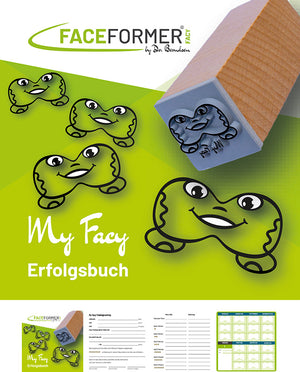
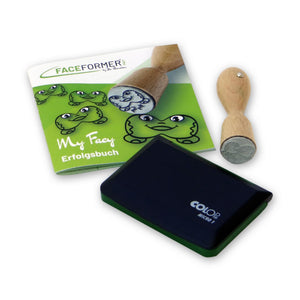 Fornecedor:Dr. Berndsen GmbH
Conjunto Livro de Conquistas My Facy
IVA incluído, mais portes de envioPreço normal €12,90 EURPreço normal€12,90 EURPreço promocional €12,90 EUR -
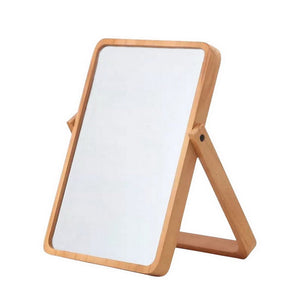 Fornecedor:Dr. Berndsen GmbH
Espelho cosmético e terapêutico com pé de apoio totalmente ajustável
IVA incluído, envio gratuitoPreço normal €15,90 EURPreço normal -
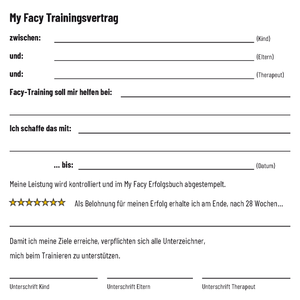 Fornecedor:Dr. Berndsen GmbH
Livro de Sucessos My Facy
IVA incluído, mais portes de envioPreço normal €6,90 EURPreço normal€6,90 EURPreço promocional €6,90 EUR -
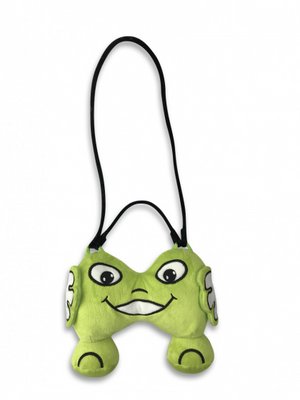 Fornecedor:Dr. Berndsen GmbH
Bolsa infantil My Facy
IVA incluído, envio gratuitoPreço normal €18,90 EURPreço normal€18,90 EURPreço promocional €18,90 EUR











ONLINE - Coaching em grupo para o treino FaceFormer: juntos rumo ao sucesso
Não foi possível carregar a disponibilidade para recolha
Tem dúvidas ou incertezas no treino com o Faceformer? Não se preocupe, não está sozinho! A partir de agora, tem a possibilidade de participar no nosso coaching exclusivo com Lena Koopmann e receber um aconselhamento completo. Aqui obtém respostas a todas as suas perguntas – seja sobre possíveis agravamentos iniciais ou outros desafios durante o treino. Mesmo que não tenha a certeza se o Faceformer é a opção certa para si, encontrará aqui um apoio competente.
Neste coaching pode não só esclarecer as suas dúvidas, como também obter informações valiosas sobre as diversas possibilidades de utilização do Faceformer. Descubra como pode ajudá-lo com as suas queixas e beneficie da experiência da Lena e das experiências de outros participantes. Este encontro é a oportunidade perfeita para se informar de forma completa e decidir se o Faceformer é a ferramenta adequada para a sua saúde.
Não espere mais – inscreva-se já e comece, juntamente com a Lena, um tratamento com o Faceformer bem-sucedido!
-
-

Como funciona a terapia FaceFormer, passo a passo
-


Saber
Mais sobre a terapia FaceFormer
 Snoring and sleep apnoea: causes, CPAP and trainingSnoring and sleep apnoea: why the throat gives way during sleep, what role mouth breathing plays and what CPAP, snoring splints and training can do.Ler mais
 Understanding TMD: treating causes instead of symptomsTMD (craniomandibular dysfunction): symptoms, causes, what the occlusal splint does and how exercises target breathing, swallowing and head balance.Ler mais
 Mouth breathing and nasal breathing: why the airway mattersMouth breathing often goes unnoticed. What the nose does, how early the breathing pattern forms, what studies show and how to train nasal breathing.Ler mais
 What is the correct tongue resting posture?Tongue resting posture explained: where the tip of the tongue lies, why it is a reference position, how it differs from mewing and how to train it.Ler mais
 Neck pain and back pain: what head balance and the tongue have to do with itNeck pain, neck tension, back pain: why the head determines the body’s statics and what the tongue and hyoid bone have to do with text neck.Ler mais
 Tinnitus: causes, jaw, neck and what you can do yourselfUnderstanding tinnitus: why ear noises arise in the brain, what the jaw, neck and Eustachian tube have to do with it, and when to see a doctor.Ler mais
 Cutting a tongue tie? Frenotomy, function and trainingFrenulum too short? When a frenotomy is an option, who decides and why the tongue then relearns swallowing, nasal breathing and its reference position.Ler mais
Cutting a tongue tie? Frenotomy, function and trainingFrenulum too short? When a frenotomy is an option, who decides and why the tongue then relearns swallowing, nasal breathing and its reference position.Ler mais
Cutting a tongue tie? Frenotomy, function and trainingFrenulum too short? When a frenotomy is an option, who decides and why the tongue then relearns swallowing, nasal breathing and its reference position.Ler mais